



The complete guide
The Complete Guide to Switching to Reusable Nappies
Switching to reusable nappies can feel like a bigger decision than it needs to be, mostly because there are several product types involved rather than one. This guide walks through what each one does and how to build a routine that actually sticks.
Start with the nappy stash, not the whole system
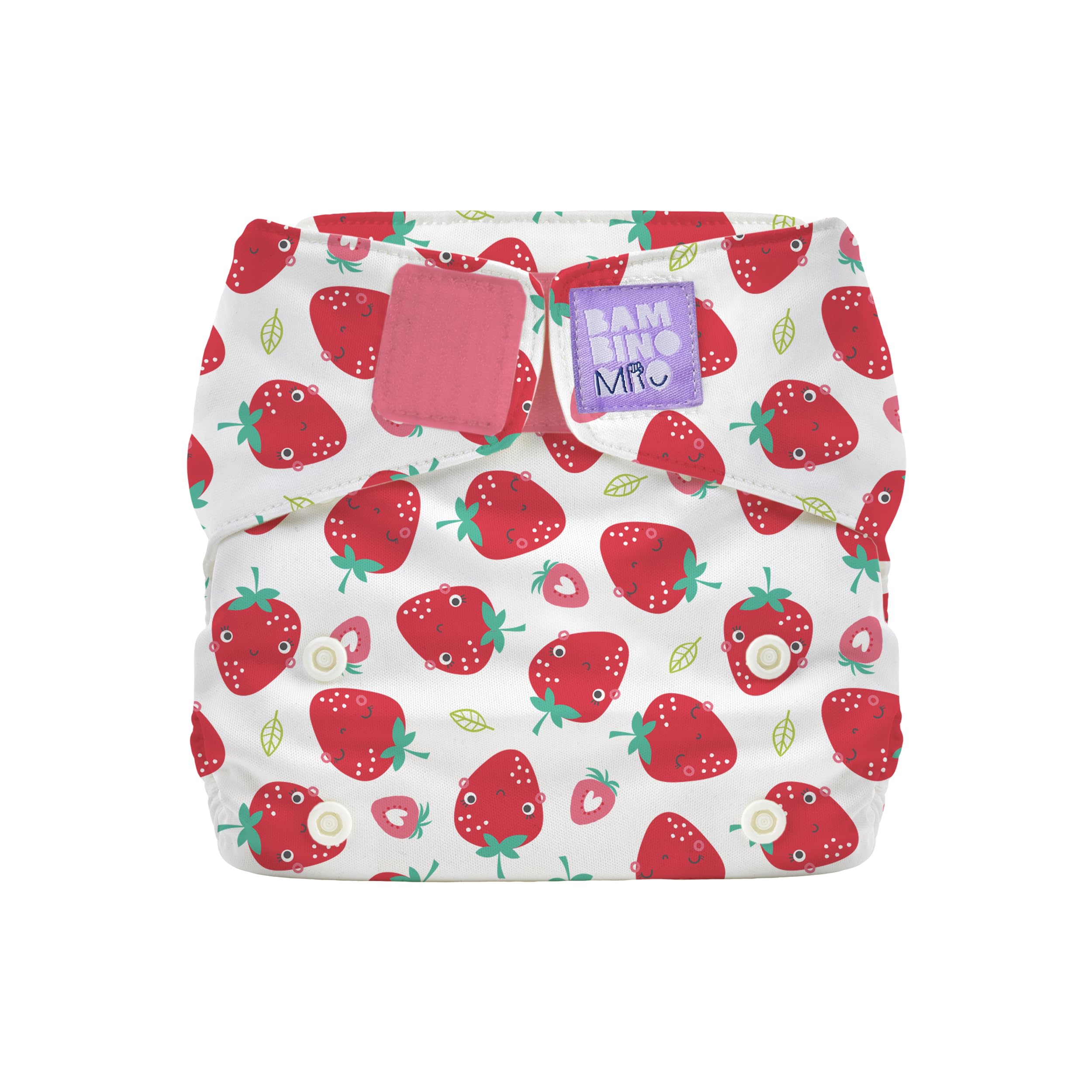
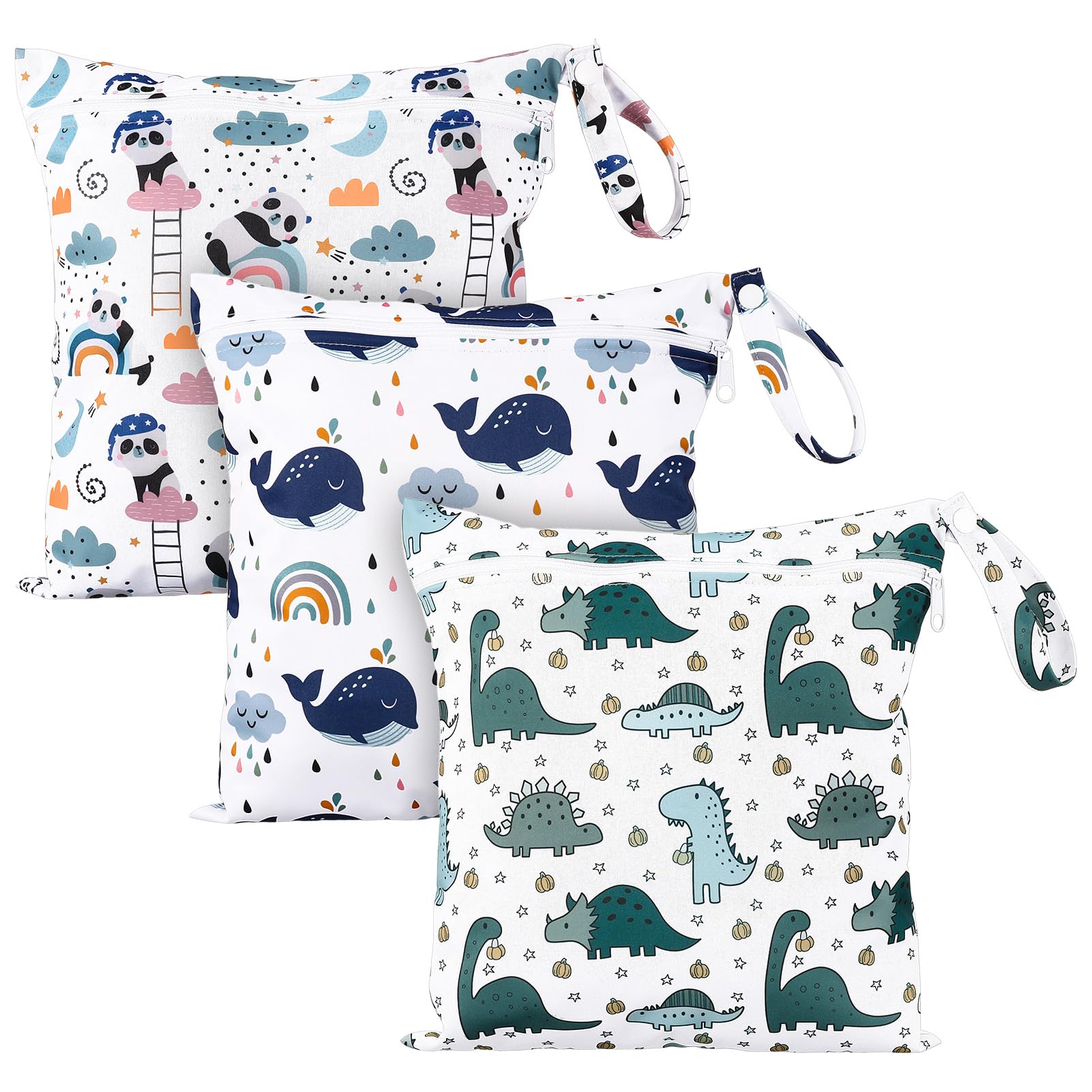
Most families begin with 15–20 reusable nappies in rotation — enough that one is drying while another is in use and a third is in the wash. You don't need liners, boosters and a full set of wet bags on day one; add them as you find where your own routine needs support.
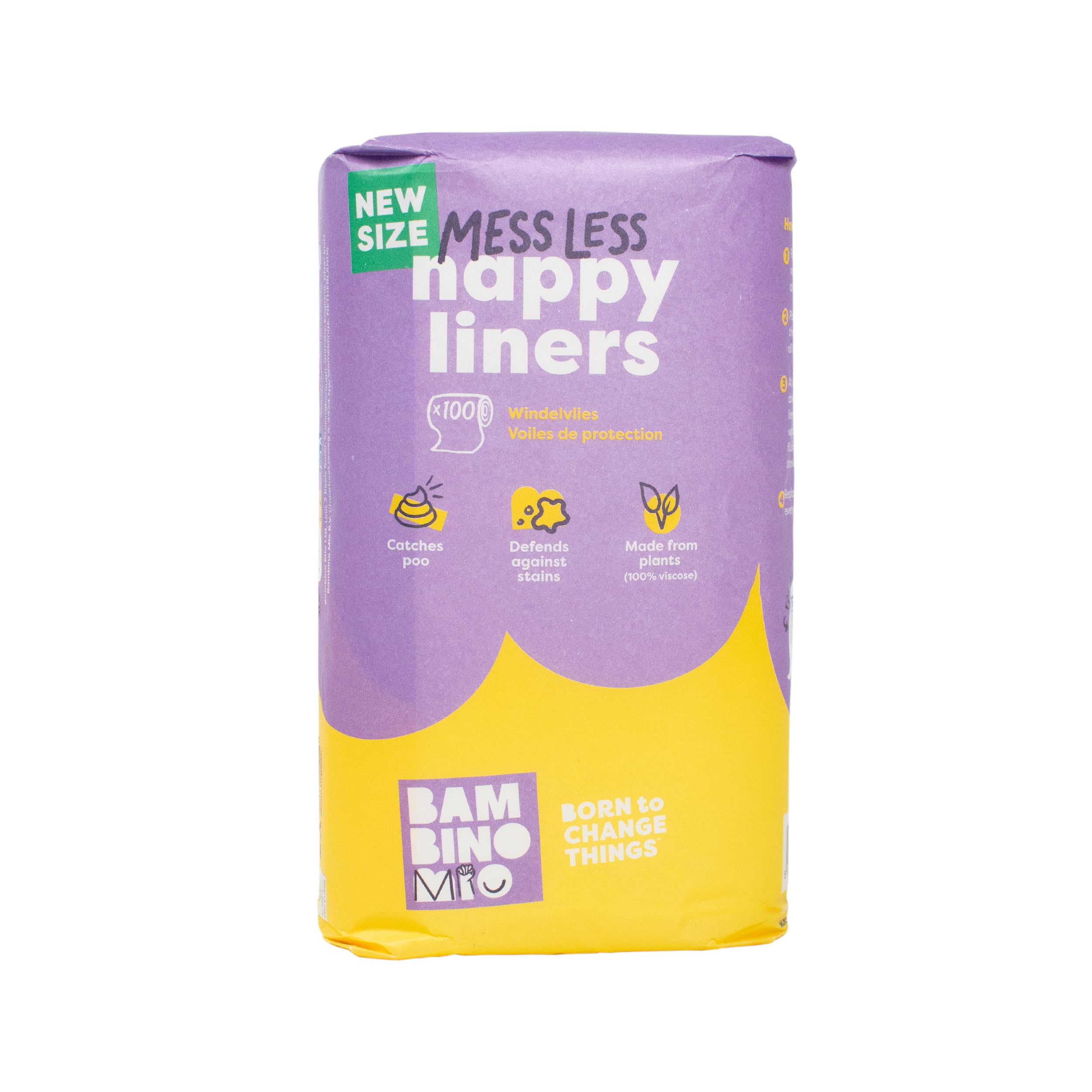
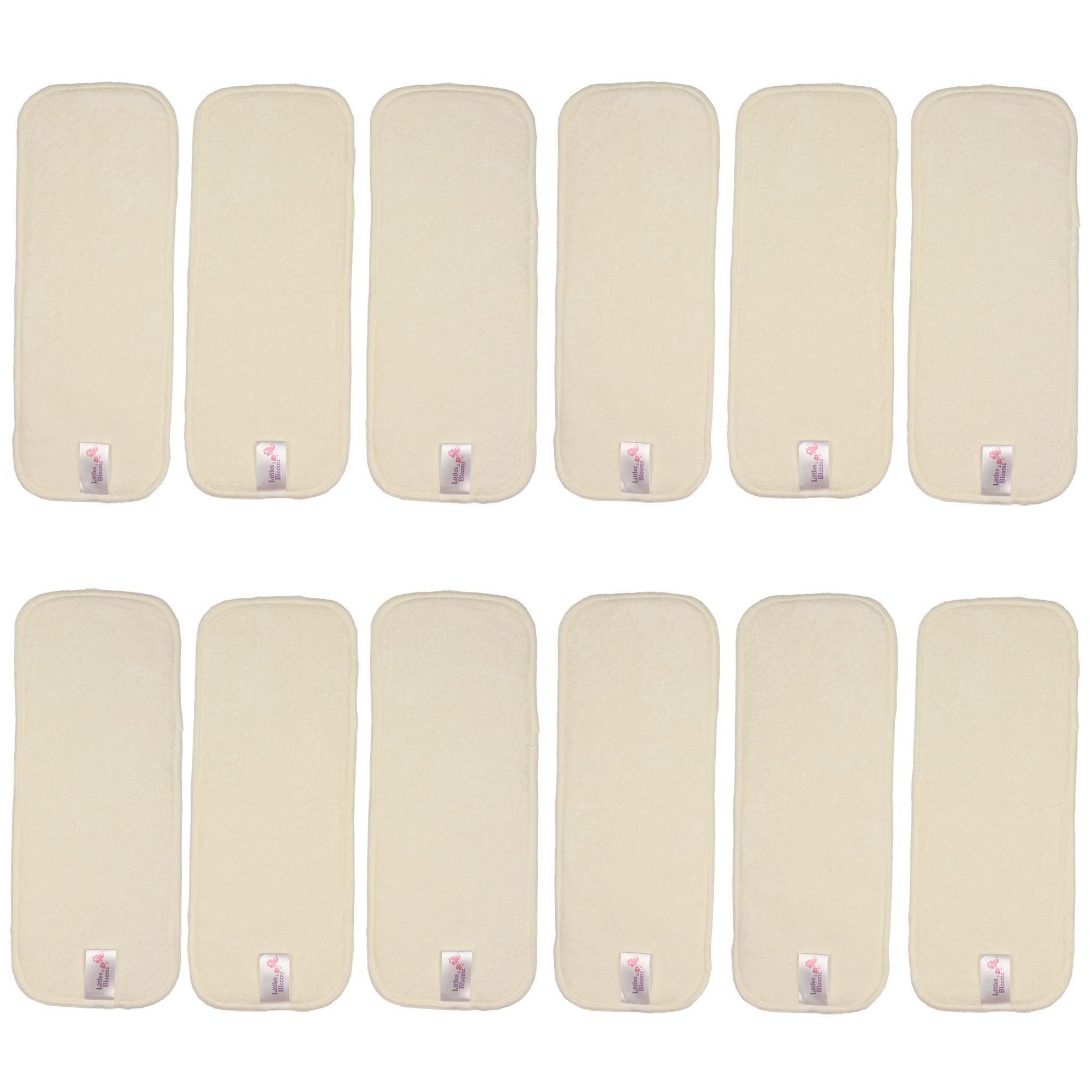
Liners and boosters solve two different problems
A liner sits against the skin to catch mess and speed up changes — it's about convenience, not absorbency. A booster or insert adds absorbency inside a pocket nappy — it's about stretching the time between changes, particularly overnight. Confusing the two is a common reason people over- or under-buy when starting out.
Building the wash routine
A nappy wash roughly every one to two days, on a warm or hot cycle without fabric softener (it reduces absorbency), keeps a stash of 15–20 nappies going without ever running out. Air-drying or a low tumble cycle both work.
Reusable swim nappies are a separate purchase
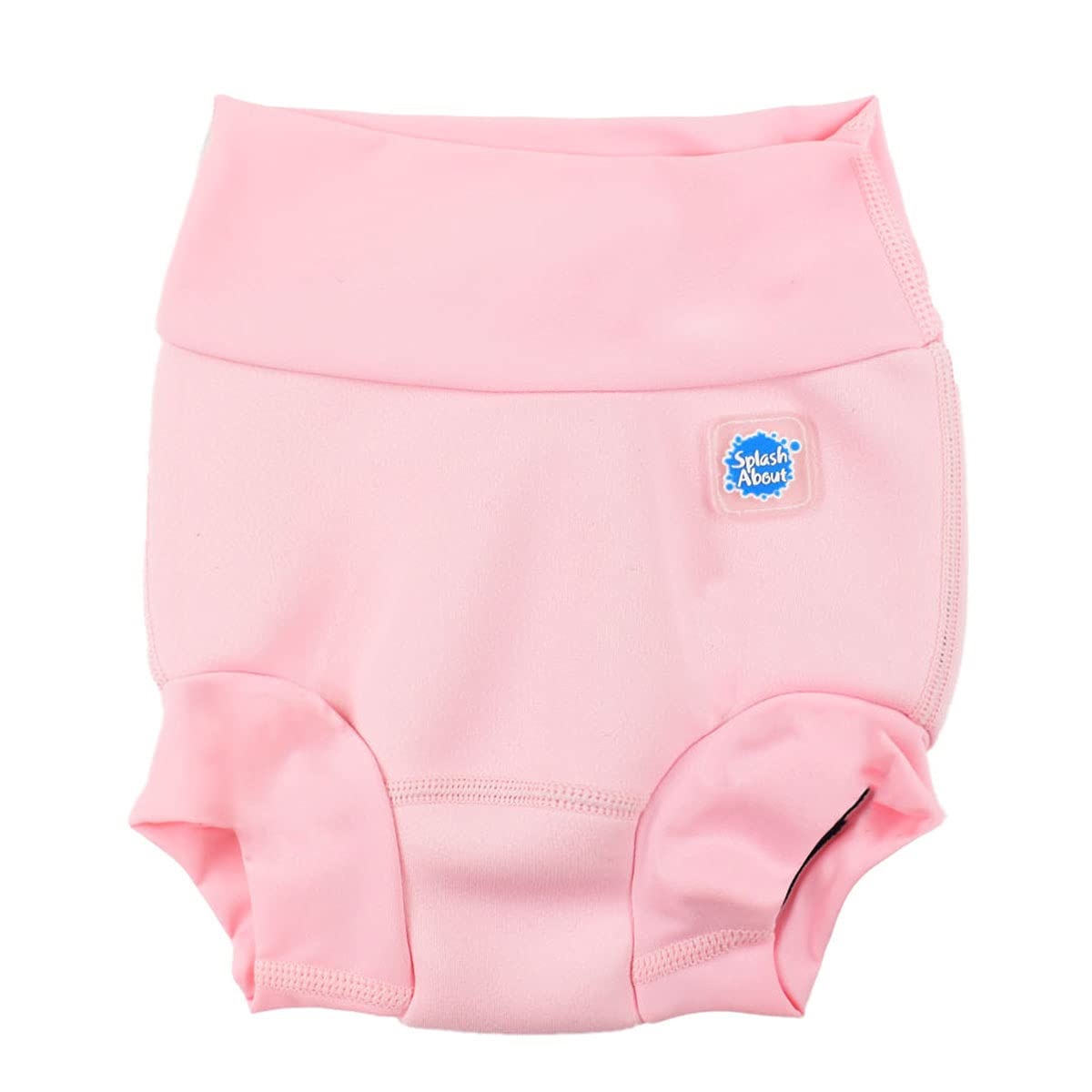
A everyday cloth nappy isn't designed for the pool — a reusable swim nappy is a different, thinner product built to contain solids in the water. Size it to your child's current weight rather than their age, for the snug fit that actually keeps things contained.
When to add training pants
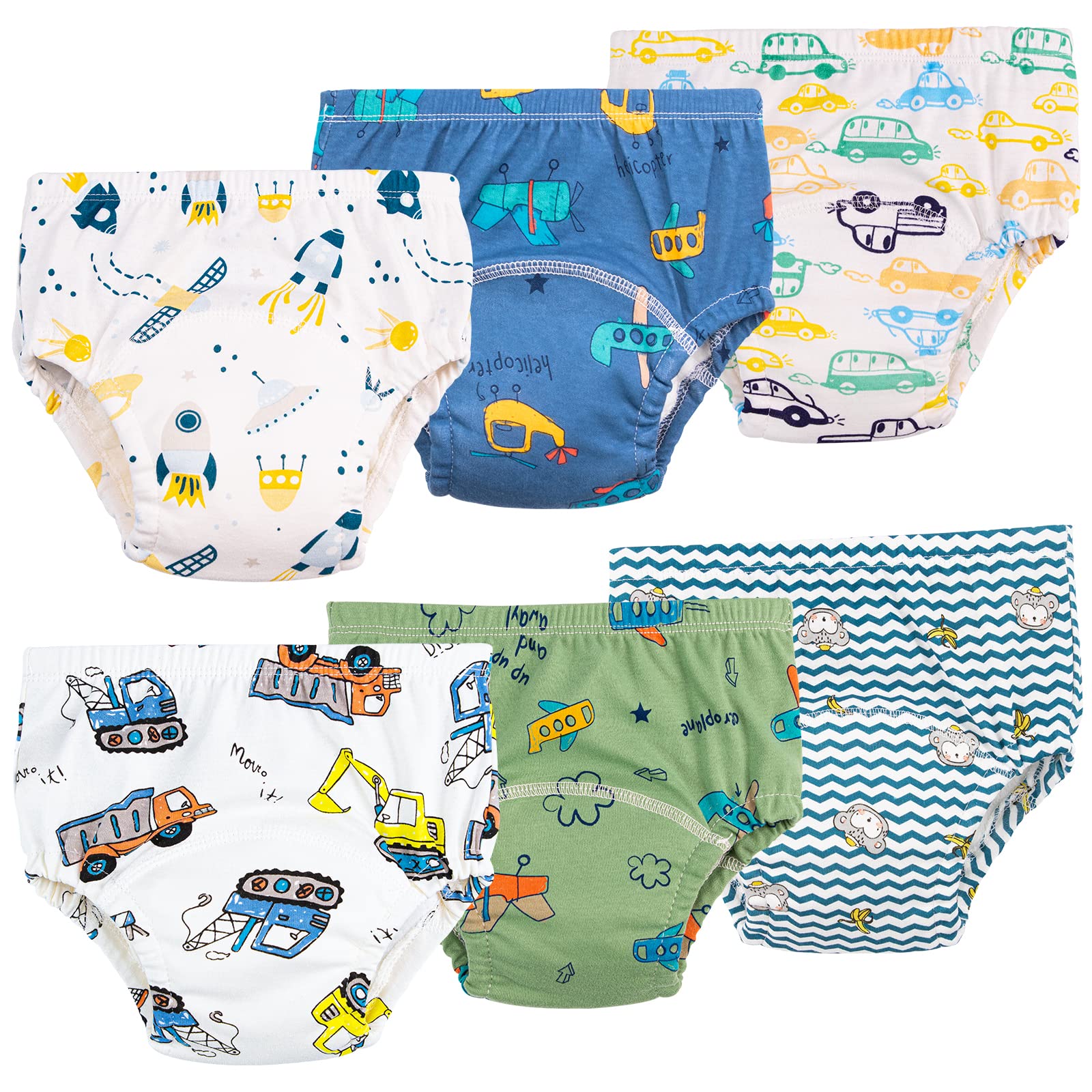
Reusable training pants come later, once your toddler is showing signs of potty-training readiness — usually somewhere between 18 months and 3 years. They're a daytime step between nappies and real underwear, not typically an overnight solution.